


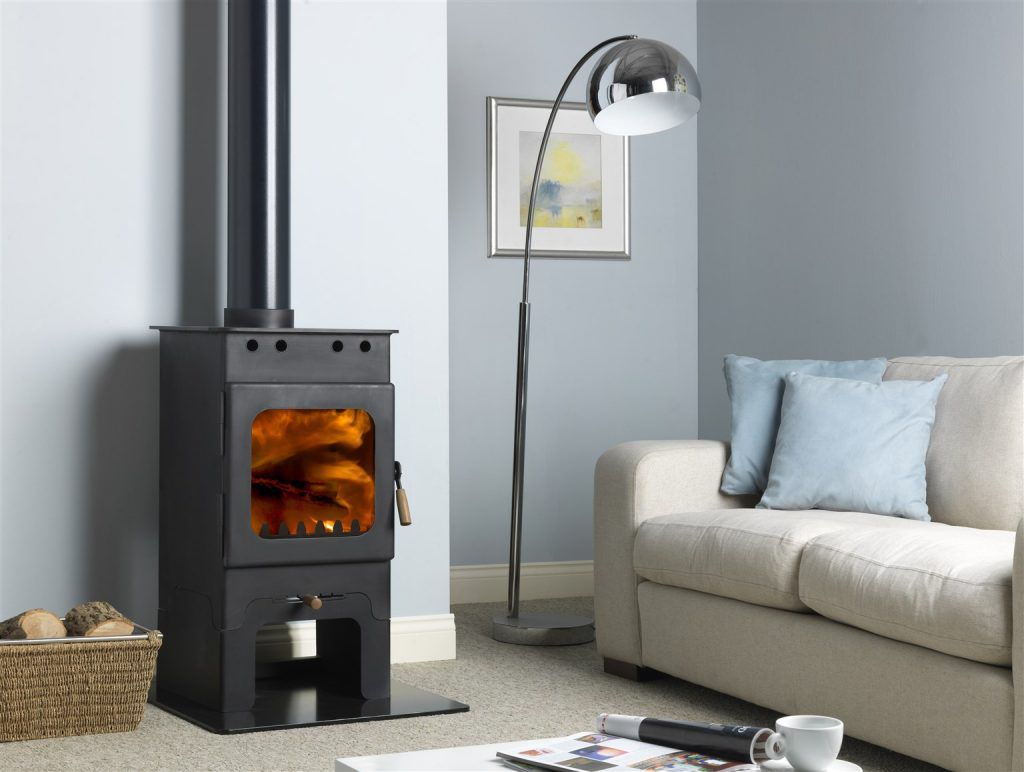
When it comes to choosing a new fire for your home, one of the first big decisions is whether to go for an inset fire or a freestanding stove. Both offer impeccable comfort, but they look, install, and behave differently. Here’s our guide to help you work out which is right for your home.
What is an Inset Fire?
An inset fire is built directly into your wall or chimney breast and sits flush with the surrounding surface rather than projecting out into the room. They are also known as ‘cassette’ fires, available in both landscape and portrait orientations.
Inset fires give a sleek, streamlined look as the body of the fire is hidden within the wall. These fires work great with wood, stone, or marble surround and mantel. They’re a popular choice for anyone wanting a more traditional or build-in aesthetic.
Inset fires are ideal for:
- Homes with an existing chimney breast or the depth to accommodate a cassette
- A neater, more integrated look that blends into the wall
- Pairing with a classic fireplace surround and mantel
- Rooms where floor space is at a premium
What is a Freestanding Stove?
A freestanding stove stands independently in the room rather than being built into the wall. It sits on its own hearth, usually connected to a flue or chimney via a stove pipe, and becomes a real feature piece in its own right.
Freestanding stoves come in a huge range of styles, from classic cast iron wood burners to sleek steel designs. Because the whole body of the stove gives off heat, they’re often great at warming a room. And because of their flexible positioning, they don’t always need to go against a chimney breast.
Freestanding stoves are ideal for:
- Creating a strong focal point and feature piece in a room
- Homes without a traditional chimney breast (a twin-wall flue system can often be used instead)
- Excellent heat output, since the stove body itself radiates warmth
- A more rustic, industrial, or characterful look
Key Differences at a Glance
| Inset Fires | Freestanding Stoves | |
| Installation | Built into the wall or chimney breast | Stands independently on a hearth |
| Appearance | Sleek, flush, integrated look | Bold, standalone feature |
| Heat output | Directs heat mainly into the room via front | Radiates heat from the whole body |
| Flexibility of position | Limited to chimney breast | Greater flexibility, especially with a twin-wall flue |
| Best paired with | Traditional surrounds, mantels, and fireplaces | Statement hearths and open-plan spaces |
Which One is Right for You?
There’s no single right answer here, it depends on your home, your layout, and your preferences. If you love the idea of a fire that blends into a classic surround mantelpiece, then an inset fire is likely to be the better fit. If you want a striking centrepiece with excellent heat output for your larger room, then a freestanding stove offers more design flexibility.
It’s also worth thinking about the size and condition of your existing chimney, room ventilation, and how much heat you need for the space. These details are exactly what our qualified team can assess you on.
At Wakefords, we’ve been helping homeowners across Surrey and the South East choose between inset fires, freestanding stoves, and everything in between. Contact us today for help choosing the best option for your home.